I am absolutely terrible at taking a break and knowing when it’s time to step back and recharge.
Or, not so much knowing when to, but actually making myself act on that knowledge.
I often find that if I don’t keep striving and looking for ways to stay busy, get up early, smash my to-do list, I feel guilty. Then it reaches a point where I force myself to relax, but I spend all that time “relaxing” thinking about what I should be doing instead. Who’s with me here?
I could place the blame on lockdown and having to work from home and be my own motivation, but the reality is, I’ve always been like this (at least in my more adult years).
I’m the type of person who doesn’t need someone reminding them to get a task done; oftentimes, it’s me taking the lead. You know what they say: “If you want something done right, do it yourself”, “Better to lead than to follow”, and so it goes.
Self-motivation is something many people struggled with during lockdown, and are still struggling with in these new work-from-home conditions. Not having the office buzz, or even a library or café to go to, where you could place yourself in a productive atmosphere, made it so much more difficult to stay focused.
I was totally alone during lockdown, as both my flatmates scurried home to their families at the first signs of corona-chaos. So I literally spent more than eight weeks on my own, with the only face-to-face communication I had being with the staff at the supermarket checkout.
The thing that kept me self-motivated and accountable during that time was developing a stringent routine. Routine is so essential to achieving consistency. I woke up every weekday at 6:40am, signed on to either a live Instagram or Facebook workout at 7am, showered, listened to BBC Radio 4 as I made/ate breakfast, cleaned up, and then officially started work at 9am. On weekends, I would wake up around 8am. I believe it was in the book, Atomic Habits, where I read that the key to developing successful long-term habits is learning to love the boring nature of a routine. And I really do.
But sometimes, and probably way more often than I allow myself to, you just need to write a day, or even a couple of days, off: have that lie in – skip that workout – put off that task until tomorrow – binge-watch that series all day. And most importantly, you cannot feel guilty for switching off. Because if you spend your time-off feeling guilty for taking time-off, you are not maximizing your time-off, and consequently, you will not sufficiently recharge.
Having just finished my degree, I am now in the process of job-hunting (oh, Lord help me). Over the last few weeks I’ve also been flat-hunting, flat-viewing, found a flat, dealt with all the paperwork that goes with that, and am now packing up my current home to move in two days’ time. I’ve definitely been surrounded by mess and boxes for way longer than I’d like, and it’s definitely symbolic of what the inside of my brain looks like right now. Soon I’ll be unpacking, cancelling bills at my old place and setting up new direct debits, and it’s my birthday next week (for which there will probably not be much celebration as we’re back to six-people-only social gatherings here in England).
Job-hunting, like finding a new place to live, is a very time-consuming, mentally exhausting process. It also requires daily attention: What’s new on the market? Who’s posted what? Is that suited to me? Should I inquire about it?
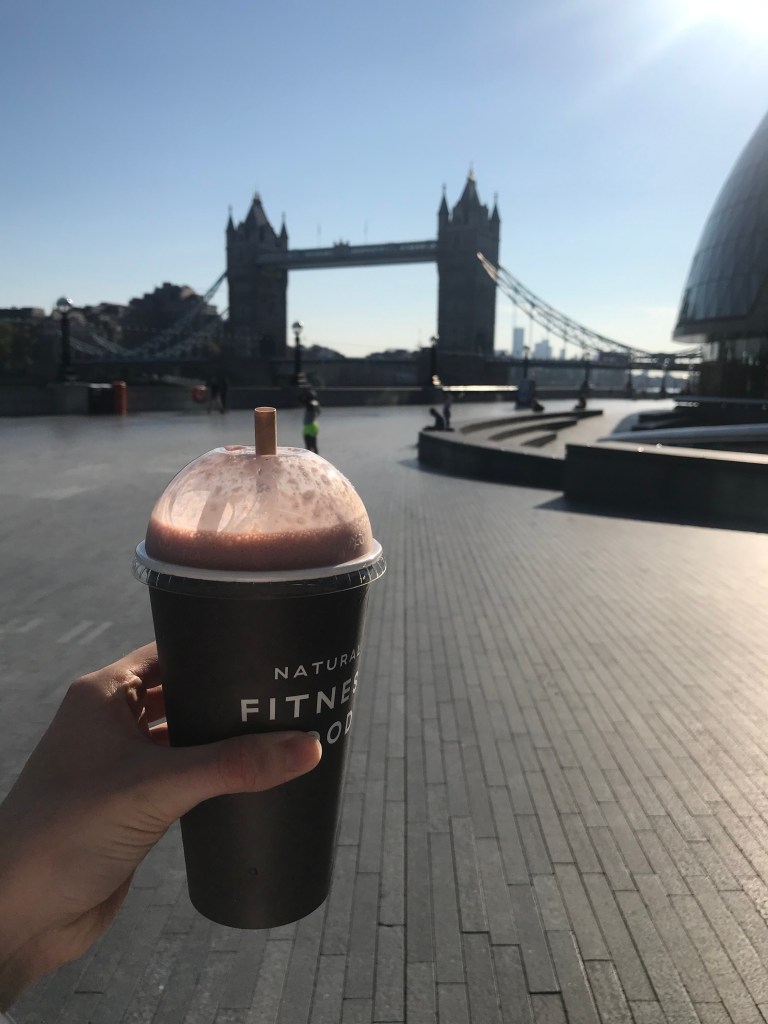
Today I decided I needed to take it easier. I went to the gym this morning because I wanted to; I worked on an application a little bit because I wanted to; I wrote this blog post because I wanted to. Now I think I’m going to go for a long walk in the sunshine to clear my mind and get some fresh air, and to make the most of the weather before clouds and rain soon become the norm here in London.
Take a deep breath. Remember to be in the moment. And know that it will all work out in the end.

If you have anything that really helps you relax and recharge, please share it down below in the comments!
 SEE: Sip Eat Enjoy